Military expert Oleg Starikov explained what combat operations on the front line currently look like and stated that Kostiantynivka is essentially in a gray zone, with neither side exercising full control over the city, Politeka reports.
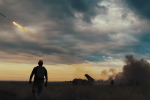
Speaking on his YouTube channel, Starikov said that warfare is no longer conducted by divisions, brigades, regiments, battalions, companies, or platoons. Instead, combat is carried out by squads, half-squads, assault pairs, or groups of just two or three soldiers. According to him, firefights typically involve one-on-one, two-on-two, or three-on-three engagements at most. Defensive positions are located several kilometers apart—around 4–5 km—and the battlefield is monitored primarily by reconnaissance and attack drones. Urban combat, he noted, follows the same pattern, but operating in cities is somewhat easier because crossing the kill zone is less difficult than in open terrain.
"How does the enemy advance? This isn't Bakhmut. It's infiltration—seeping through. Infantry is performing the role of special forces and reconnaissance. They're ordinary infantrymen, but their function is reconnaissance. They infiltrate, establish positions, hide, and conduct surveillance. Once the order is given, they begin combat operations simultaneously from multiple directions," Starikov explained.
After that, the expert continued, the entire settlement or fortified area effectively becomes a gray zone. Therefore, he argued, it is fair to say that Kostiantynivka is currently in a gray zone. Ukrainian forward assault units may penetrate deep behind enemy lines, but in reality, neither side fully controls the city.
"The information aspect is still being presented using outdated concepts of warfare. For example, the idea of a fortress: an army surrounds a fortress, the defenders have a limited supply of food and water, they fight until their resources are exhausted, and then they either surrender or die. That's no longer how it works. Today, two or three soldiers can hold a position somewhere while drones deliver ammunition and supplies to them. They can remain there and fight for one, two, or even three months. And when command decides it's time, they simply infiltrate and withdraw," Starikov said.